

医学教育的意义
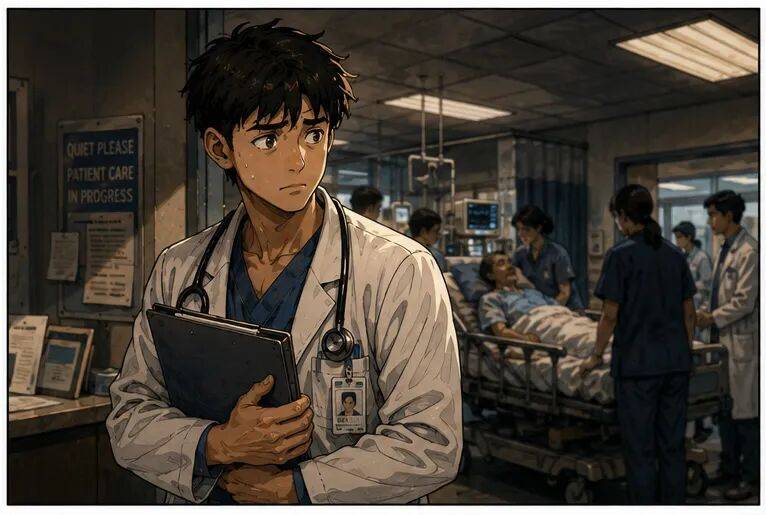
但这并不意味着他们不聪明,也不意味着他们不合格。它恰恰揭示了一个根本事实:医学,从来不是课堂知识的简单延伸;医生,也绝不是考试分数的自然结果。
这也引出了医学教育最核心的问题:我们究竟如何帮助一个普通而并不完美的人,成长为一个值得患者托付生命的医生?
在我看来,医学教育不仅仅是知识的传授,更不仅仅是科研方法的训练。它更深层的意义,在于一种职业精神的塑造,一种人格与使命的重构。因为医学不仅是一门科学,更是一种道德职业与社会职业。社会允许医生进入人类生命最脆弱的时刻——疾病、痛苦、恐惧、无助,乃至死亡。因此,社会对医生的期待,从来不只是“技术高超”,更包括责任、诚信、悲悯、谦逊与值得信赖。
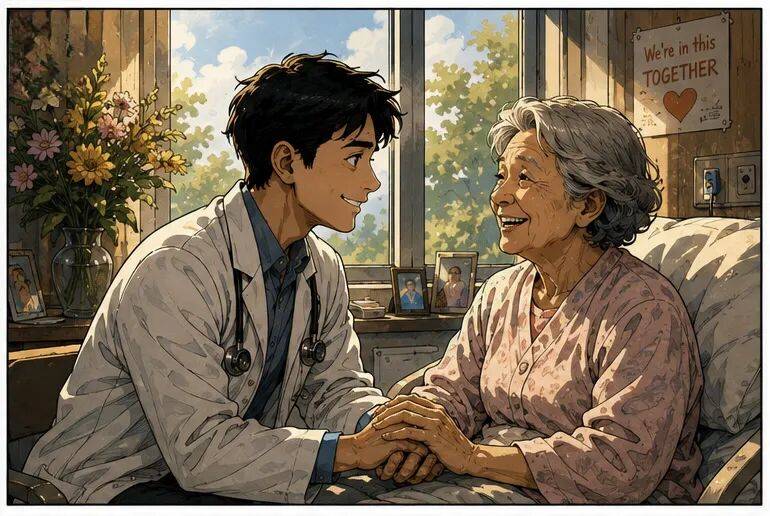
这也是为什么,以胜任力为基础的医学教育——CBME,正在成为全球医学教育的重要方向。CBME真正的意义,并不仅仅是评价体系改革,也不仅仅是教育标准化。它更深层的本质在于:一个好医生所需要的,远远超出医学知识本身。
我们关注的,不只是学生“是否知道”;更是他们“是否能够做到”。是否能够把知识转化为患者听得懂、愿接受、有温度的照护;是否能够在不确定中持续学习,于复杂中保持判断;是否能够在团队中协作,在压力下承担;是否能够把患者利益置于个人利益之上;是否能够不仅治疗疾病,更推动整个医疗体系改进。
在邵逸夫医院的一次演讲中,来自Loma Linda University的哈特博士曾提出医学职业精神的七项核心价值:慈悲(Compassion)、整体(Wholeness)、诚信(Integrity)、合作(Teamwork)、谦逊(Humility)、公正(Justice)与卓越(Excellence)。
其中有一个故事让我印象尤深。一位医学生几乎完美地汇报了患者病史,而带教医生却忽然问道:“你知道病人的狗叫什么名字吗?”
这并不是一个无关紧要的问题。它背后所体现的,恰恰是医学教育最重要的原则之一:患者从来不只是一个疾病,一个化验单,或者一组影像结果。真正优秀的医生,必须学会看见“完整的人”——见病,更见人;治病,更治心。
更重要的是,这些价值观并不能仅靠课堂讲授获得。它们往往通过榜样的力量、医院的文化、临床的实践,以及职业身份的逐渐形成而代代传承。某种意义上,医学教育其实就是一个职业共同体不断塑造人的过程——把一个并不完美的普通人,锻造成一个能够承担他人生命责任的人。
而在人工智能时代,医学知识正在以前所未有的速度被获取、被共享、被替代。但真正难以被技术替代的,恰恰是那些最“像人”的东西:悲悯之心、道德判断、责任意识、谦逊品质,以及人与人之间的信任。
因此,未来医学教育真正的价值,也许将不再只是“传递信息”,而更在于“塑造人格”;不再只是“训练能力”,而更在于“建立价值”;不只是培养会看病的人,更是培养值得托付的人。
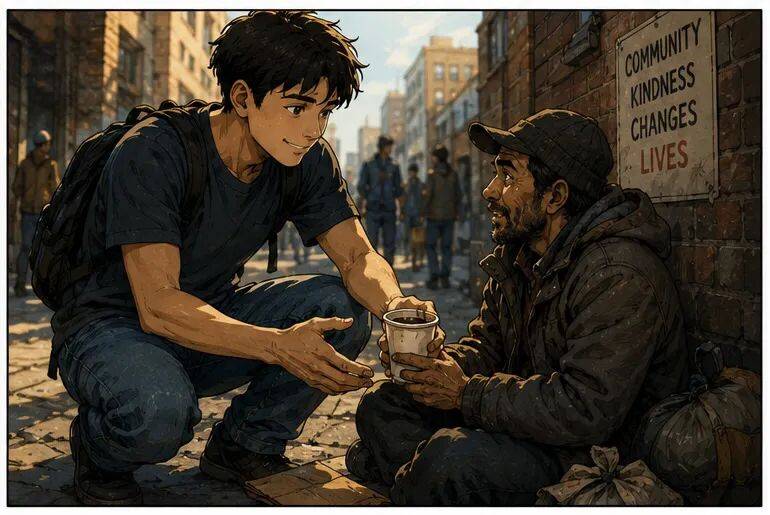
归根到底,我们寻找的,从来不是完美无缺的学生;我们真正希望培养的,是那些愿意学习、愿意反思、愿意关怀他人,并在漫长职业生涯中不断成长的人。因为医学教育最终所塑造的,不只是医生的能力,更是医生的灵魂;不只是职业的技术,更是生命的担当。
或许,这才是医学教育真正的意义。
(仅以此文感谢理查德·哈特博士在任期间给我们的洞见和启迪)
以下是英文:
The true meaning of medical education
When medical students first enter clinical medicine, many of them are not truly prepared for the reality of patient care. They may possess considerable scientific knowledge, yet still struggle to recognize real clinical problems, apply diagnostic reasoning, communicate with patients, or translate medical principles into practical decisions. Many do not yet know how to learn continuously from clinical uncertainty, how to reflect on their own limitations, or how to understand the deeper needs of patients as human beings. However, this does not mean they are unintelligent or unqualified. Rather, it reflects a fundamental truth: medicine is profoundly different from classroom learning.
This leads to a central question for medical education: How do we help ordinary, imperfect human beings become trustworthy physicians?
In my view, medical education is not merely the transmission of knowledge or research methodology. More importantly, it is a process of professional transformation. Medicine is not only a scientific discipline; it is also a moral and social profession. Society allows physicians to enter the most vulnerable moments of human life — suffering, fear, uncertainty, and death. Therefore, society expects more from doctors than technical competence alone. It expects responsibility, integrity, compassion, humility, and trustworthiness.
This is why competency-based medical education has become an important global direction. The true meaning of CBME is not simply assessment reform or educational standardization. At its core, CBME reflects a deeper recognition that good doctors require comprehensive professional capabilities beyond medical knowledge itself. We are not only asking whether students know medicine. We are asking whether they can transform knowledge into care that patients can understand and accept; whether they can continue learning when facing uncertainty; whether they can work effectively within teams; whether they can place patients’ interests above their own; and whether they can contribute to improving the healthcare system itself.
During a speech at Sir Run Run Shaw Hospital, Dr. Hart from Loma Linda University described seven core values that define medical professionalism: compassion, wholeness, integrity, teamwork, humility, justice, and excellence. One example particularly impressed me. A medical student presented a patient’s history perfectly, but the attending physician asked, “What is the name of the patient’s dog?” The question was not trivial. It reflected an important educational principle: a patient is never merely a disease. To become a good doctor, one must learn to see the whole person.
Importantly, such values cannot simply be taught in lectures. They are transmitted through role modeling, institutional culture, clinical practice, and professional identity formation. In many ways, medical education is the process by which a professional community reshapes imperfect individuals into people capable of carrying responsibility for others.
In the era of artificial intelligence, medical knowledge is becoming increasingly accessible. Yet compassion, moral judgment, responsibility, humility, and human trust cannot easily be replaced by technology. Therefore, the future value of medical education may lie less in information delivery, and more in cultivating professional identity and values.
Ultimately, we are not searching for perfect students. We are cultivating people who are willing to learn, reflect, care for others, and continuously grow into trustworthy professionals. Perhaps this is the true meaning of medical education.
This article is dedicated in gratitude to Dr. Richard Hart for the insight and inspiration he brought to us during his years of leadership.